A lot of people notice aging first in the small ways – workouts take longer to recover from, sleep feels lighter, belly fat shows up faster, and the steady energy you used to count on just is not there every day. If you are researching the best peptides for healthy aging, you are probably not chasing hype. You want to feel stronger, leaner, sharper, and more like yourself again.
That is where peptide therapy gets interesting. Peptides are short chains of amino acids that act as signaling molecules in the body. In the right clinical setting, certain peptides may support recovery, body composition, skin quality, sleep, and tissue repair. They are not magic, and they are not one-size-fits-all. The best results come from matching the right peptide to the right goal, backed by medical oversight, lab work, and a plan that makes sense for your body.
What makes the best peptides for healthy aging?
The best peptides for healthy aging are usually the ones that address the changes people actually feel as they get older. That might mean slower recovery, reduced muscle tone, stubborn weight gain, lower resilience, or changes in skin and joint comfort. A peptide only makes sense if it fits the problem you are trying to solve.
There is also an important difference between healthy aging support and trying to force dramatic results. Good peptide protocols are built around sustainable improvement, not shortcuts. That means weighing benefits against trade-offs, understanding timing, and recognizing that peptides often work best alongside hormone optimization, nutrition, sleep, and training habits.
1. CJC-1295 and Ipamorelin
If your goal is broad support for recovery, body composition, and healthy aging, this is often one of the first combinations people hear about. CJC-1295 and Ipamorelin are commonly paired because they help stimulate the body’s natural growth hormone release in a more physiologic way than older approaches.
For adults dealing with low recovery capacity, increasing body fat, poor sleep quality, and reduced workout output, this combination can be appealing. Some patients report better recovery, improved sleep, easier fat loss, and maintenance of lean muscle over time. That said, results are rarely overnight. It often takes consistency, realistic expectations, and the right dosing strategy.
This pair is not ideal for every person. If someone expects rapid cosmetic changes or wants a treatment with no need for monitoring, they may be disappointed. It works best when used as part of a bigger optimization plan.
2. BPC-157
BPC-157 gets a lot of attention for one reason – recovery. For adults who feel like their body takes too long to bounce back from training, old injuries, repetitive strain, or general wear and tear, BPC-157 is often discussed as a repair-focused peptide.
Healthy aging is not just about looking younger. It is also about staying active without getting sidelined. If your knees, shoulders, tendons, or soft tissues constantly remind you that you are not 25 anymore, recovery support matters. BPC-157 may be considered in protocols focused on tissue healing and reducing the downtime that keeps people from training, walking, working, or simply moving comfortably.
The trade-off is that it is goal-specific. If someone is mainly focused on appetite control or skin quality, this would not usually be the first choice. It makes more sense for people who want to preserve function and physical capability.
3. TB-500
TB-500 is another peptide commonly associated with healing and recovery, especially when flexibility, mobility, and soft tissue resilience have become limiting factors. For some adults, aging shows up as stiffness, nagging strain, and a body that does not respond the way it used to after physical activity.
In those cases, TB-500 may be considered as part of a recovery-centered protocol, sometimes alongside other therapies depending on the patient’s goals. It tends to come up most often for active adults, fitness-minded patients, and people who do not want pain or tightness to define how they live.
Like BPC-157, this is not a general wellness catch-all. It is more targeted. The right question is not whether TB-500 is popular. The right question is whether recovery and tissue support are the main reason you are seeking treatment.
4. AOD-9604
For adults frustrated by body composition changes, AOD-9604 often enters the conversation. This peptide is commonly discussed in weight management settings because it has been associated with fat metabolism support.
Aging often brings a shift in how easily the body gains fat and how stubborn that fat becomes. Even people who are still eating fairly well and staying active can feel like their metabolism has changed. AOD-9604 may appeal to patients who want support in a medically guided plan aimed at reducing body fat while preserving momentum.
Still, this is where expectations matter. No peptide replaces a calorie-aware nutrition plan, movement, sleep, and hormone balance. If someone is dealing with low testosterone, estrogen imbalance, poor insulin sensitivity, or chronic stress, those issues may need attention too. AOD-9604 can be useful, but usually as one part of the strategy, not the whole solution.
5. Tesamorelin
Tesamorelin is often discussed in relation to body composition and abdominal fat. For adults who are doing many things right but continue to struggle with midsection changes, this peptide may stand out.
Visceral fat is not just a cosmetic issue. It can affect how people feel, move, and view their overall health. Tesamorelin may be considered for patients who want a more focused approach to central fat reduction under medical supervision. In the context of healthy aging, that can be meaningful because waistline changes often go hand in hand with reduced confidence, lower energy, and a sense that the body is becoming harder to manage.
This is another example of why personalization matters. Tesamorelin may fit one patient very well and not be the first move for another. Lab values, medical history, and bigger metabolic patterns matter.
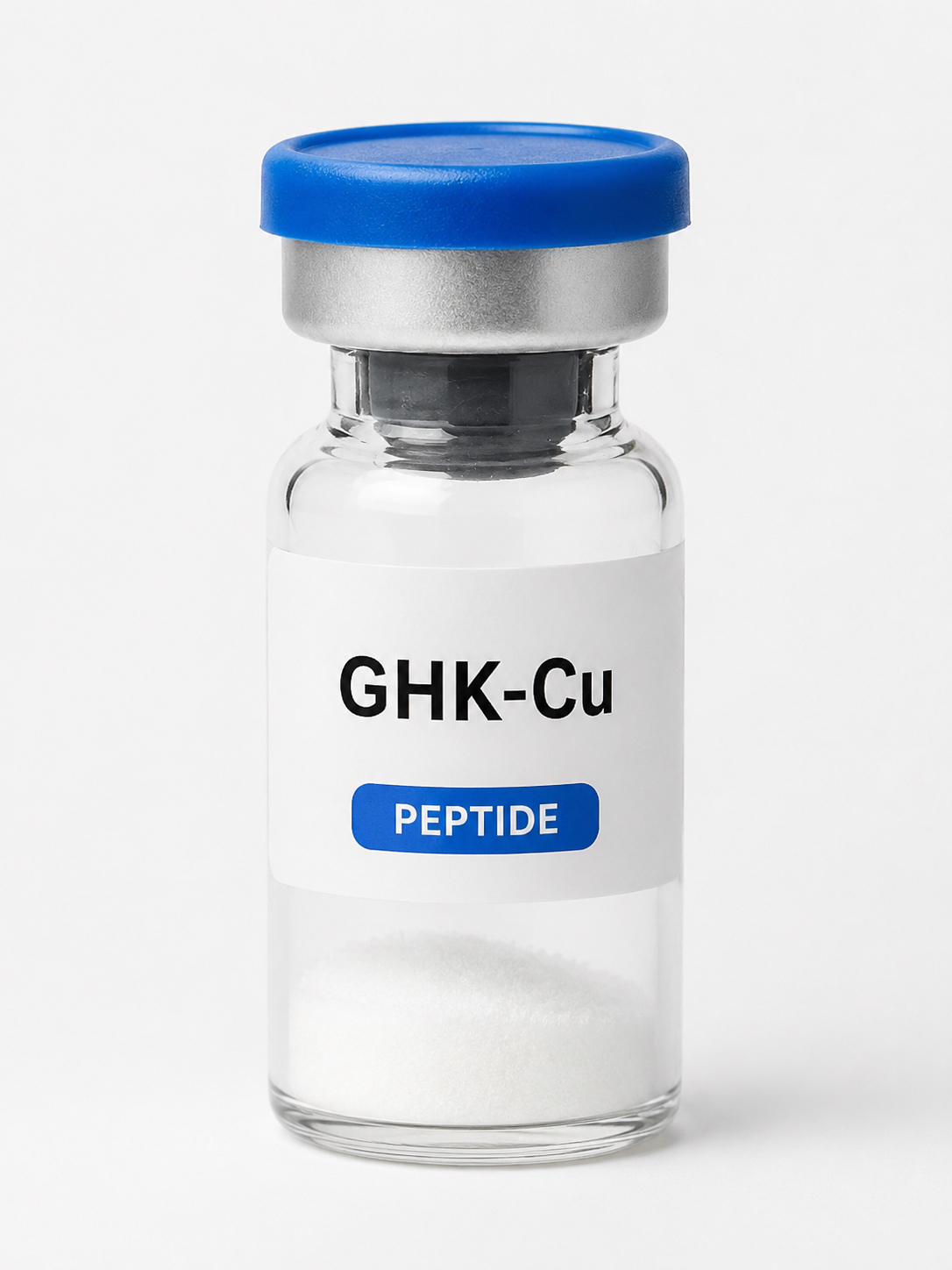
6. GHK-Cu
Not every aging concern starts in the gym or on the scale. Sometimes it starts in the mirror. GHK-Cu is a copper peptide often associated with skin quality, tissue renewal, and appearance-related benefits.
For adults who want healthy aging support that includes skin vitality, this peptide may be worth discussing. It is often mentioned in conversations around collagen support, skin texture, and a fresher appearance. That matters because feeling better and looking better often move together. When patients see visible improvement, it can reinforce the confidence and momentum they want in the rest of their health journey.
Of course, appearance-focused peptides are not the whole answer if the deeper problem is fatigue, hormone imbalance, or excess body fat. GHK-Cu can play a role, but it usually makes the most sense when combined with a broader vitality plan.
7. Thymosin Alpha-1
Healthy aging is also about resilience. Thymosin Alpha-1 is often discussed for immune support and overall system regulation, which can matter more with age as recovery from stress, illness, and heavy life demands becomes less predictable.
For busy adults juggling careers, family, training, and long to-do lists, resilience is a real quality-of-life issue. When your system feels run down, everything else suffers – energy, motivation, consistency, even body composition progress. Thymosin Alpha-1 may be considered in protocols designed to support patients who want to feel more stable and recovered, not just temporarily energized.
This peptide tends to make more sense for people focused on systemic support rather than purely cosmetic goals. It is a good reminder that healthy aging is not one-dimensional.
How to choose the right peptide therapy for healthy aging
The best peptide for one person may be the wrong one for another. A 42-year-old woman dealing with weight gain, poor sleep, and declining workout recovery may need a very different plan than a 58-year-old man focused on injury recovery, low energy, and muscle loss.
That is why a real evaluation matters. Symptoms matter, but so do labs, body composition, medical history, lifestyle habits, and treatment priorities. In a patient-centered clinic setting, the goal is not to hand everyone the same injection schedule. The goal is to build a protocol around what is actually holding you back.
At Underground Strength and Wellness Clinic, that personalized approach is a big part of why treatment works better for the right candidates. When peptide therapy is matched to your goals and monitored properly, it becomes far more useful than the generic advice people get online.
What to expect before starting
Before starting peptide therapy, it helps to get clear on your main objective. Are you trying to recover faster, improve body composition, support skin health, or feel more energetic and resilient overall? The answer shapes the protocol.
It is also smart to think beyond the peptide itself. Sleep, protein intake, training load, hydration, and hormones all influence your response. If those pieces are ignored, even a promising therapy can underdeliver. If they are addressed, progress tends to be more noticeable and more sustainable.
The best path is simple: do not guess. Work with a qualified medical provider who can evaluate the full picture, explain what is realistic, and build a treatment plan that fits your body and your life. Healthy aging is not about chasing every new option. It is about making smart, personalized moves that help you feel amazing again.