Feeling worn down should not automatically become your new normal. If your energy is low, your workouts feel harder than they used to, your mood has changed, or stubborn weight gain is affecting your confidence, you may be wondering how walk in hormone clinics work and whether one can help you get answers without a long, frustrating process.
A walk-in hormone clinic is designed to make the first step easier. Rather than waiting weeks to begin a conversation about symptoms that are affecting your daily life, you can start with an accessible intake process, clinical evaluation, and appropriate lab work. The goal is not to hand everyone the same protocol. It is to identify what may be contributing to how you feel and build a medical plan around your needs, goals, and health history.
How Walk In Hormone Clinics Work From Your First Visit
The process usually begins with a conversation about what has changed and what you want to improve. That may include fatigue, low libido, reduced strength, poor recovery, sleep changes, brain fog, changes in body composition, mood shifts, or symptoms related to perimenopause or menopause. Your provider also reviews your medical history, current medications, lifestyle, and relevant risk factors.
Walk-in does not mean rushed or careless. It means you can begin the process with less friction. At a patient-focused clinic, the first visit is built around getting the information needed to make a responsible decision, not pressuring you into a treatment before the clinical picture is clear.
For many people, lab testing is the next step. Hormone levels naturally change throughout life, and symptoms can overlap with many other health concerns. Testing gives your nurse practitioner a baseline and helps separate assumptions from useful data. Depending on your situation, the evaluation may look at hormone markers along with other health markers that can influence energy, metabolism, and overall wellness.
Your symptoms and labs are reviewed together
A number on a lab report is only one part of the story. Two people can have similar results but very different symptoms, goals, and health histories. That is why a thoughtful hormone clinic looks at the full picture instead of treating a single number.
Your provider should explain what the results mean in plain language, what may or may not be connected to your symptoms, and whether treatment is appropriate. If something falls outside the clinic’s scope or requires additional evaluation, a responsible provider will tell you. Hormone optimization is medical care, not a shortcut around good clinical judgment.
What Happens After Your Consultation
If your provider determines that you are a candidate for care, the next step is a personalized treatment plan. The plan may focus on testosterone replacement therapy for eligible men, hormone replacement therapy for women, peptide therapy, prescription weight loss support, or a combination of services based on your clinical needs.
The right option depends on your goals and your lab results. Someone focused on rebuilding energy and muscle recovery may need a different approach than someone navigating menopause symptoms or struggling with metabolic changes. A quality clinic does not promise that one treatment will solve every problem. It explains what the treatment is intended to address, how it is administered, what progress may look like, and what monitoring is needed.
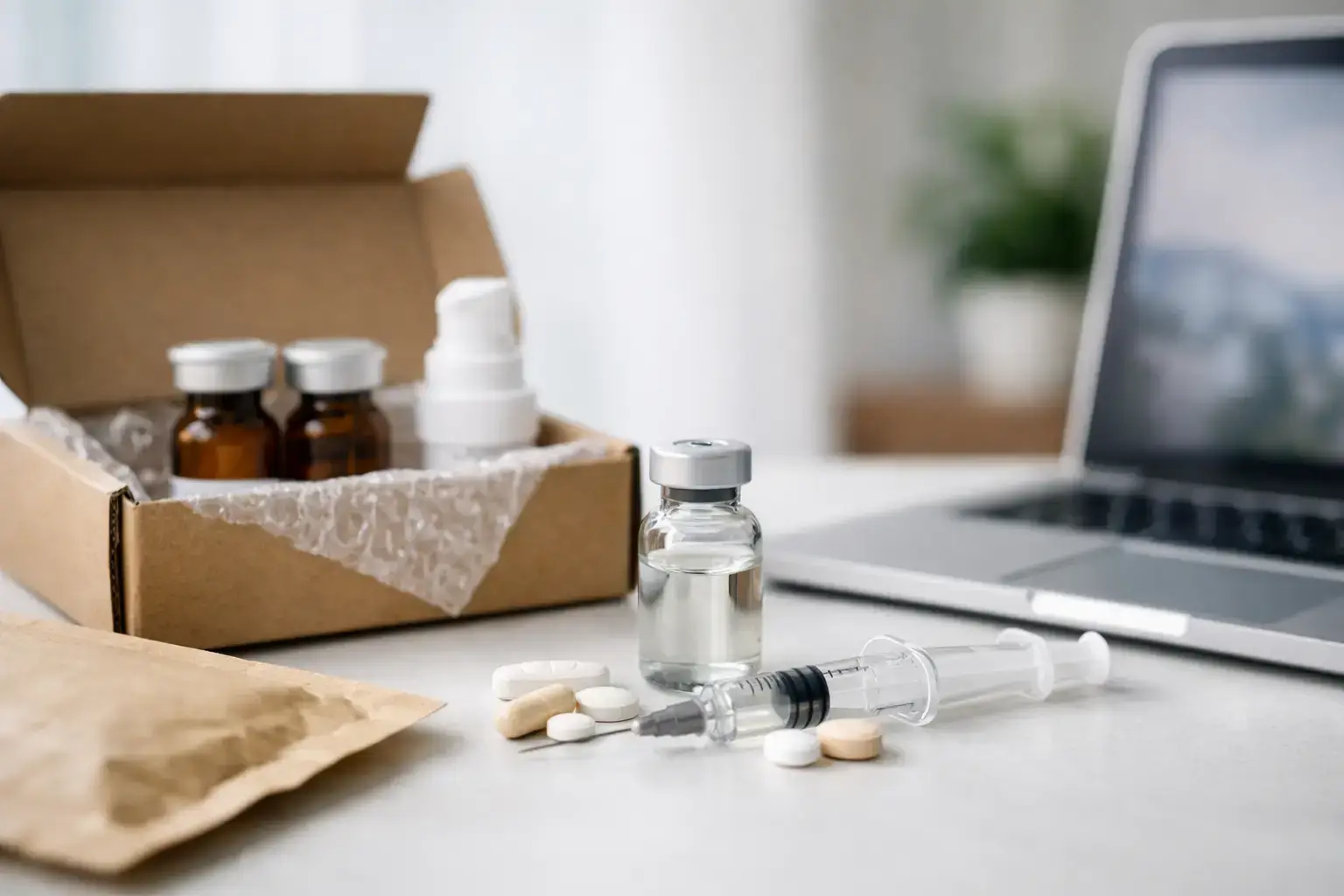
At Underground Strength and Wellness Clinic, that approach is centered on convenient access and tailored support. Some therapies may be provided in the clinic, while eligible ongoing treatments can be delivered directly to the patient. The practical benefit is consistency: you can stay focused on your plan without making your health goals another complicated task on your calendar.
Treatment is ongoing, not a one-time decision
Starting a protocol is not the finish line. Hormones affect interconnected systems in the body, and the best results come from monitoring how you feel, how your body responds, and how your follow-up labs look over time.
Your provider may adjust your plan based on symptoms, lab values, side effects, and changing goals. Follow-up appointments create space to ask questions and keep treatment aligned with your health. This is especially valuable when you are balancing a demanding job, training schedule, family responsibilities, or major life changes.
Results also have a timeline. Some patients notice changes in energy, sleep, mood, or recovery relatively quickly. Changes in body composition, strength, and overall vitality can take longer and depend heavily on nutrition, movement, sleep, stress, and adherence to the plan. Be wary of anyone who promises a dramatic transformation overnight. Sustainable progress is usually built through consistent medical support and better daily habits working together.
What Makes a Walk-In Clinic Different
Traditional healthcare can feel difficult to navigate when your concern is not urgent but still affects every part of your life. You may spend months feeling off before you finally bring it up, only to leave without a clear next step. A walk-in hormone clinic is structured around accessibility and focused evaluation for adults who want to be proactive.
That focused model can make it easier to begin. You are not trying to fit a detailed discussion about vitality, performance, weight changes, or hormone-related symptoms into a brief visit for an unrelated concern. The clinic is designed for these conversations, with an onboarding process that moves from symptoms to labs to consultation and, when appropriate, treatment.
Convenience should never replace medical standards. The most effective clinics balance straightforward access with qualified providers, individualized screening, lab-based decisions, clear expectations, and regular monitoring. Fast access is valuable. Safe, personalized care is nonnegotiable.
Questions Worth Asking Before You Start
Before beginning care, make sure you understand the plan in front of you. Ask what symptoms or lab findings are guiding the recommendation, how the treatment works, how it will be administered, and when you should expect follow-up. You should also ask about possible side effects, reasons a therapy may not be right for you, and what happens if your results or needs change.
It helps to be honest about your goals. If your priority is fat loss, better performance, improved libido, more stable energy, or relief from symptoms affecting your quality of life, say so directly. Clear goals help your provider build a plan that is realistic and measurable.
You should also bring a complete list of medications, supplements, and relevant medical history. Details that may seem minor can matter when deciding whether a therapy is appropriate. The strongest patient-provider relationship is built on straightforward communication from both sides.
Getting the Most From Your Hormone Care
Hormone treatment works best when it supports a bigger commitment to your health. You do not need to live like a professional athlete, but the basics matter: prioritize protein and nutrient-dense meals, move your body consistently, build strength when you can, protect your sleep, and keep follow-up appointments.
Think of treatment as a tool, not a replacement for your effort. The right protocol can help you feel more capable of doing the things that improve your life, from training with purpose to showing up with more energy at work and at home. That is where real momentum begins.
If you have been pushing through low energy, frustrating physical changes, or a version of yourself that no longer feels familiar, getting evaluated can be a powerful move. You do not need to guess your way forward. Start the conversation, get the data, and give yourself the chance to feel strong, clear, and in control again.