Peptide Therapy Benefits for Recovery

Learn how peptide therapy benefits for recovery may support healing, sleep, muscle repair, and performance with personalized medical guidance.

You can train hard, eat clean, and still feel like your recovery is stuck in second gear. Sore longer than you should be. Sleep not quite restorative. Energy inconsistent. For many adults, that is where peptide therapy benefits for recovery start to become part of the conversation – not as a magic fix, but as a targeted medical option that may help the body repair, rebound, and perform more efficiently.

Recovery is not just about getting over a tough workout. It affects how you feel at work, how consistently you can exercise, how well you sleep, and how quickly you bounce back from stress, travel, poor sleep, or the wear and tear that comes with age. When recovery lags, progress usually stalls right behind it.

Why recovery gets harder with age and stress

A lot of people assume slower recovery is simply the price of getting older. Age can absolutely play a role, but it is rarely the whole story. Hormone shifts, poor sleep, chronic stress, inflammation, body composition changes, and nutrient gaps can all affect how quickly your body repairs tissue and restores energy.

That is why two people can follow the same workout plan and have very different outcomes. One feels strong and ready to go again in a day or two. The other deals with lingering soreness, low motivation, interrupted sleep, and a body that feels like it is constantly trying to catch up.

Recovery is a full-body process. It depends on muscle repair, nervous system balance, hydration, sleep quality, inflammation control, and metabolic health. If one or more of those pieces is off, recovery tends to suffer.

What peptide therapy actually does

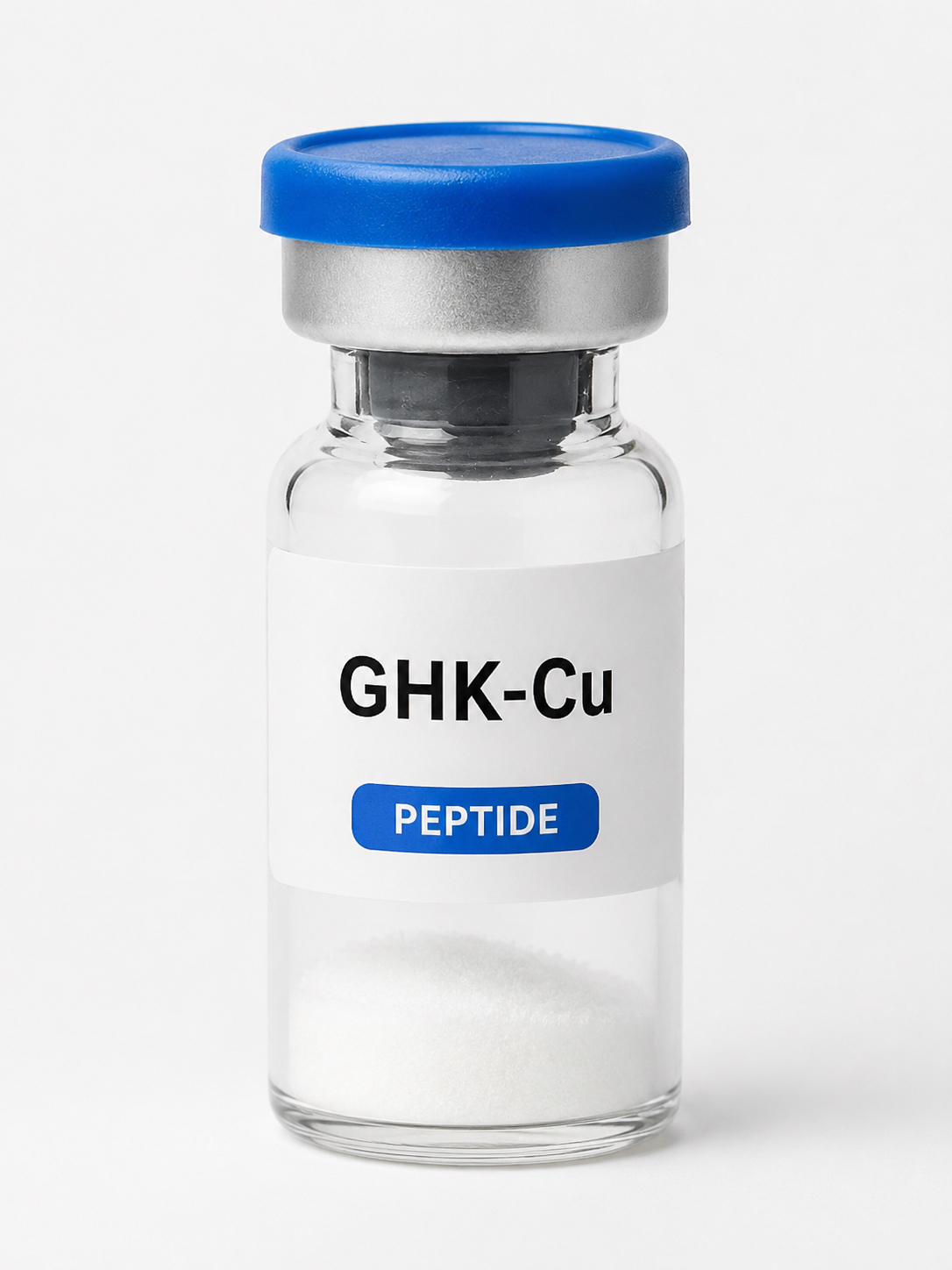
Peptides are short chains of amino acids that act as signaling molecules in the body. In plain terms, they help tell the body what to do. Some peptides may support tissue repair. Others may influence growth hormone signaling, sleep quality, inflammation response, or body composition.

This is where peptide therapy benefits for recovery can become meaningful. The goal is not to overwhelm the body. The goal is to support specific processes that may already be underperforming.

That said, peptide therapy is not one-size-fits-all. Different peptides have different jobs, and the best protocol depends on your symptoms, goals, current health status, and lab findings when appropriate. Someone focused on exercise recovery and lean muscle support may need a different approach than someone trying to improve healing, sleep, and overall vitality.

Peptide therapy benefits for recovery in real life

The biggest reason people consider peptide therapy is simple – they want to feel better faster and function at a higher level. That can show up in several ways.

Muscle repair and post-workout recovery

If your body struggles to recover after training, peptide therapy may help support the repair process. Some peptides are often used in wellness and performance settings because they may promote tissue recovery and help the body respond more effectively to physical stress.

For active adults, this can mean less lingering soreness, better training consistency, and a more sustainable relationship with exercise. That matters whether you are lifting weights, getting back into shape, or trying to hold onto strength as you age.

It is still important to be realistic. Peptides do not replace intelligent programming, rest days, hydration, or protein intake. But when recovery is the bottleneck, targeted support may help remove some friction.

Better sleep and deeper restoration

A lot of recovery problems are really sleep problems in disguise. If you are sleeping lightly, waking up often, or not feeling restored in the morning, your body never gets the full chance to repair itself.

Certain peptide protocols may help support more restorative sleep patterns, which can improve recovery indirectly and sometimes dramatically. Better sleep may lead to better energy, more stable mood, improved workout tolerance, and fewer cravings driven by exhaustion.

This is one of the more overlooked benefits. People often focus on muscle soreness, but quality recovery starts overnight.

Support for connective tissue and healing

Recovery is not only about muscle. Tendons, ligaments, and other soft tissues often take longer to heal, especially in adults who stay active while balancing demanding schedules.

Some peptides are used specifically because they may support soft tissue repair and healing. For people dealing with nagging overuse issues or trying to return to activity without feeling fragile, that kind of support can be valuable.

The trade-off is patience. Tissue healing still takes time, and no ethical provider should present peptide therapy as an instant fix for injuries. It may support the process, but it does not erase the need for proper evaluation, load management, and a smart treatment plan.

Inflammation and overall resilience

When inflammation stays elevated, recovery tends to feel slower across the board. You may notice more soreness, more stiffness, worse sleep, and less drive to train or stay active.

Depending on the protocol, peptide therapy may help support a healthier inflammatory response. That does not always mean dramatic overnight change. Sometimes it shows up as small but meaningful improvements – waking up less stiff, recovering more predictably, or feeling less run down after busy weeks.

For adults juggling work, family, fitness, and aging physiology, that kind of resilience matters.

Who may benefit most from peptide therapy for recovery

This therapy often appeals to adults who feel like they are doing many things right but still are not recovering the way they used to. That includes men and women dealing with low energy, poor sleep, slower healing, performance decline, increased soreness, or frustration with inconsistent progress.

It can also make sense for people whose recovery issues are part of a bigger picture. If hormone imbalance, weight gain, stress, or declining vitality are all happening at once, recovery support may need to be part of a more complete wellness plan rather than a stand-alone solution.

That is an important point. Sometimes recovery problems are not just recovery problems. They are a signal that something deeper needs attention.

Why personalization matters

This is where many people get misled. They hear about a specific peptide online and assume that if it worked for someone else, it will work for them too. That is not how good medicine works.

A personalized plan matters because your recovery limits may come from different causes than someone else’s. Sleep issues, hormone changes, body composition, inflammation, stress load, and training volume all shape the outcome. The right protocol should fit your body and your goals.

At a clinic level, that means looking at the full picture rather than chasing trends. A provider may recommend peptide therapy as part of a broader strategy that also includes hormone optimization, nutrition support, hydration, or body composition tracking. In many cases, that integrated approach produces better long-term results than relying on one treatment alone.

What to expect from treatment

Most patients want to know one thing first – how fast will I feel it? The honest answer is that it depends. Some people notice early changes in sleep, soreness, or day-to-day energy. Others improve more gradually over several weeks as the body responds.

Your results can depend on the peptide used, consistency with treatment, your baseline health, and whether other barriers to recovery are also being addressed. If you are under-eating protein, sleeping five hours a night, and training too hard, peptides may help, but they are not going to overcome every bad input.

The strongest outcomes usually happen when treatment is paired with a realistic plan. That means recovery support that fits your lifestyle, not a protocol that looks good on paper but falls apart in real life.

The value of medical oversight

Because peptides affect signaling pathways in the body, medical guidance matters. A qualified provider can help determine whether peptide therapy is appropriate, what protocol makes sense, how to monitor progress, and when another treatment path may be a better fit.

That should give patients confidence, not hesitation. Good oversight keeps the process safer, clearer, and more productive. It also helps cut through the hype. Not every symptom points to peptides, and not every peptide belongs in every recovery plan.

For adults who want straightforward answers and customized support, that level of structure is often what turns interest into results.

Recovery should not feel like a constant uphill fight

If your body is taking too long to bounce back, that is worth paying attention to. Slower healing, poor sleep, lingering soreness, and low energy are not just annoyances. They affect how you train, how you work, and how you show up in daily life.

Peptide therapy can be a smart option for the right patient, especially when recovery issues are holding back performance, body composition, or overall well-being. The key is to approach it with clear goals, realistic expectations, and a personalized medical plan.

You do not need to settle for feeling run down every time life gets busy or training gets serious. When recovery improves, everything else gets easier to build from there.

Share the Post:

Related Posts

Scroll to Top